What is ITIL Service Strategy?

No organization acts in a vacuum. Customers always have alternatives. Even government and nonprofits where social services compete for tax dollars and contributions.
Competitive forces demand that an IT organization do its job better than the alternatives. What service strategy is about is positioning your organization as non-optional.
Service Strategy process areas include:
- service
portfolio management
- financial
management for IT services
- demand
management
- business
relationship management
- strategy
management for IT services
Service Portfolio Management
Service portfolio management (SPM) is a means by which you can dynamically
and transparently govern resource investment. The goal of SPM is to maximize
value to the business while managing risks and costs. We do this
by ensuring that the content of the service portfolio is in line with
the organization’s service management strategy.In cooperation with the change management process it evaluates proposed services. As well as major changes to existing services.
Service Portfolio Management is a cradle to grave process.
It monitors services in the pipeline. First as they proceed through funding, then through design, development, testing, and deployment. Once operational it monitors to ensure we are achieving expected returns. And finally, when the service has reached the end of its useful life, it works with Service Transition processes to ensure an orderly retirement and preservation of essential records and assets.
Financial Management for IT Service
Financial management for IT services ensures we track and associate IT
investment and spending with the services provided. Why do we need to do this? We want to deliver the best quality service at the lowest possible cost. We want to create business value and increase the opportunity to take on extra projects that result in even greater value to the business.
The three major activities which take place within financial management for IT services are:
- Accounting
- Budgeting
- Charging
Accounting involves applying cost accounting principles to IT spending. We do this to answer the question, “What does it cost to provide each service?”
We use Budgeting to show the funding required to support the defined services at a given level of business activity. The budget assures that IT Service Management will have adequate funding to deliver promised services.
Charging is the process of assuring that IT Service Management will “capture” value. That is, that the consumers of services are aware of the cost of providing services to them.
Financial Management for IT is one of five components in the ITIL Service Delivery area. It determines the costs of services and provides financial accounting support to ensure expenditures fall within approved plans and that funds are well-spent.
The role of Financial Management varies depending upon the view of IT within the company. Some companies view IT as an expense center, some as a profit center, and some as a cost-recovery center. However, in all cases, Financial Management supports the "business" of IT.
Financial Management activities include:
- Providing
oversight of all IT expenditures
- Ensuring
funds are available for planned events
- Providing
detailed financial information for proposed initiatives
- Influencing
the use of IT assets to maximize the return on IT investments through
chargeback systems
- Tracking
current expenditures against the budget
WHY SHOULD I IMPLEMENT FINANCIAL MANAGEMENT?
Financial Management processes allow you to:- Plan
and predict IT expenditures required to maintain or improve services
- Ensure
expenditures fall within approved plan guidelines and that money is
well-spent
- Assist
senior management in understanding the ongoing total cost of a proposed IT
initiative
- Promote
a better understanding of the costs associated with providing specific
services
- Foster
an environment of control to ensure IT services are effectively and
efficiently used
ITIL Demand Management 101

This process is called demand management.
What is ITIL Demand Management?
ITIL Demand Management helps a business understand and predict customer
demand for services. Every business is subject to cyclical behavior. This means
that demand for services can grow or shrink with the business cycle. In
deciding whether to provide a service, IT Service Management must understand
the patterns of business activity (PBAs) related to the service. While it is
important to avoid having inadequate capacity, excess capacity is also a
business risk, involving expense which typically cannot be recovered, since
customers cannot be expected to pay for capacity they are not using.PBAs are typically thought of in terms of transaction volumes. ITIL suggests other factors be considered as well, such as the source of the demand, special needs such as enhanced security, and tolerance for delay. The job of demand management is to identify appropriate PBAs and to associate them with user profiles (UPs). This becomes important input to the capacity management process in the Service Design lifecycle phase.
According to ITIL, the purpose of demand management is to understand, anticipate, and influence customer demand for services. As a process, it is part of the ITIL service strategy stage of the ITIL lifecycle. Service strategy determines which services to offer to prospective customers or markets. The decisions that are made in the service strategy stage affect the service catalog, the business processes, the service desk, the required capacity, and the financial requirements of the service provider.
As part of the service strategy stage, demand management rationalizes and optimizes the use of IT resources. It ensures that the amount of technical and human resources that has been budgeted matches the expected demand for the service. If the prediction is too low, the agreed-upon service levels may not be delivered. If the predictions are too high, resources will have been allocated to a service that will not be used (or paid for). Demand management bridges the gap between service design, capacity management, and business relationship management to ensure that the predictions are accurate.
Demand management is a process within ITIL that is more supportive of other processes than a self-contained process. Unlike incident management, for example, the activities inside demand management are not visible to the customer. When service demand is not properly balanced, it affects nearly every part of the ITIL lifecycle.
Demand Management Roles
Like every process within the ITIL framework, demand
management has a chain of responsibility and ownership. Here, the owners are
called business relationship managers. Business relationship management
creates and grows the connection between the customer and the service provider.
Demand Management Objectives and Activities
The purpose of demand management is to detect and
influence the demand that customers have on IT services. This process
involves three main actions:
- Analyzing
current customer usage of IT services: The easiest way to do this is
to analyze service desk data regarding incidents, requests, and problems.
Network usage and uptime can be measured via a service dashboard, such as
the kind used in a network operations center (NOC) environment.
- Anticipating
future customer demands for IT services: Here, the business
relationship manager comes into play. He or she may speak with the
customer directly about forecasted needs, will analyze trends in usage or
tickets, and will make educated projections about future usage based on
similar customers trends.
- Influencing
consumption as necessary by financial or technical means: For example,
if a customer uses more service than anticipated in the SLA, a service
provider may charge fees for the excessive consumption to offset the costs
of the unforeseen demand. Demand management also makes sure that the
appropriate costs are included in the service design. Formally, this
involves two processes:
Demand Prognosis
In demand prognosis, the business relationship manager
analyzes IT service consumption. This individual will also forecast future
consumption based on known information, such as consumption trends and
service-quality feedback from the customer. Sometimes, the customer will
directly indicate when more capacity or a great number of services are needed.
In ITIL, this is called the Pattern of Business Activity (PBA).
According to ITIL, the PBA is a workload profile of one or more business
activities that helps service providers establish usage patterns.
The pattern of business activity measures the following aspects of customer
service usage:- Frequency
- Volume
- Duration
- Location
The volume of usage is the amount of activity. For example, this could be the number of transactions processed or a service desk ticket number. Volume can increase or decrease.
The frequency of usage is how often the volume of usage occurs.
The location of usage is where the business usage occurred. Is it in the service desk or the sales department, for example?
The PBA also includes a user profile, which is a pattern of service usage that is tied to a type of user. For example, developers may have a higher database usage pattern than business users.
Demand Control
Demand control is the way that providers control IT service
consumption. This can be done through technical means (such as network
throttling) or financial means (such as increased charges for usage higher than
the agreed-upon levels). The control is implemented until the capacity for
greater demand is implemented into the service catalog.
Developing differentiated offerings and service packages also controls
demand. Differentiated offerings and service packages control demand and cost
while providing the customer with the services they use and value most.
The ITIL Demand Management Communication Flow
Unlike other processes within the ITIL lifecycle, demand
management relies on communication between different processes rather than on a
self-contained set of procedures. Unlike some other processes, demand
management interfaces with the other service strategy lifecycle processes. On
one side, demand management receives customer feedback from the business
relationship manager and the PBA. On the other side, demand management informs
many other processes based on the information obtained and the conclusions drawn.
Demand management is seen in service strategy when the
pattern of business activity is used alongside service portfolio management to
invest in new services and increased capacity.It is seen in service transition when the data collected is used to validate that the new service catalog meets the projected needs of the pattern of business activity.
It is used in service operation as the end point for feedback from the service desk. The service desk detects trends in service usage and sends that information to demand management, which alerts capacity management to increase or decrease resources as needed.
Finally, demand management is seen in continual service improvement (CSI) when the data from demand management and the PBA is used to proactively improve services based on usage forecasts.
Why is ITIL Demand Management So Important?
Demand management is essential for one simple reason: It is
impossible to adequately plan for and meet service demands based on gut check
alone. Predicting how much service will increase based on what you think you
remember about current demand versus the demand of other similar customers
results in inaccurate data at best and expensive overstaffing at worst.
Accurate planning requires analyzing the data gathered and client feedback, as
seen in the demand prognosis process. Inaccurate estimates
have negative impacts on:
- SLA
metrics
- KPIs
- Customer
satisfaction
- Financial
management
- Incident
management
- Business
relationship management
- Service
strategy
Poorly
managed service demand is a huge risk for organizations. Inadequately planning
for increases in service usage could mean missed service levels and poor
service quality across the entire service catalog. For businesses, that could
mean anything from financial implications to lost business altogether.
Related ITIL Stages and Processes
Demand management interfaces with many
ITIL processes. As a part of service strategy
stage, it is closely aligned with service
portfolio management, financial
management for IT services, and business
relationship management. This is because the question of "how
much" service is enough is integral to those processes. In financial
management, for example, the question of how much of a service to provide
directly impacts the IT budget and the costs passed on to the service customer.
In service portfolio management, demand directly impacts which services are
offered in the customer service catalog. service operations is thus also
impacted, since it relies on the service catalog for its range of services, as
well as on the associated capacity and asset management of operations.
Demand management is a small but important component within ITIL. Getting demand management wrong impacts the entire organization and the services rendered. Read on to learn about the other processes within service strategy.
Demand management is a small but important component within ITIL. Getting demand management wrong impacts the entire organization and the services rendered. Read on to learn about the other processes within service strategy.
Business Relationship Management
process ensures good relationship between service provider
and the customer. It is generally achieved by identifying, understanding, and
supporting customer’s need and appropriate services are developed to meet those
needs.
ITIL business relationship management works closely with service
portfolio management and strategy management. It helps IT services to
inform and implement the strategy and service selection. Participants in this process seek to form a relationship with customers to understand their needs for service. This involves:
- ensuring
that services provided are delivering the value expected by the
customer
- understanding
the customer’s environment well enough to identify opportunities for new
services or new applications of existing services
- being
aware of changes in the customer’s business environment which may
impact service needs
The most
important key performance indicator (KPI) for business relationship management
is customer satisfaction.
Strategy Management for IT Services
ITIL strategy management for IT services seeks to enable IT Service
Management to become a strategic asset to the organization. It’s not
enough to align IT with the business; IT should also integrate with
the business. Any service provider, to be successful, must have a thorough understanding of the market space in which they operate. They must know what their strengths and weaknesses as a provider are, as well as what opportunities are available. Strategy management for IT services seeks to answer questions such as the following:
- Who
are our customers?
- What
business outcomes do they need?
- How do
the services we provide support those outcomes?
- How
can we position ourselves to be the only logical provider of these
services?
- What
market spaces do we operate in?
- Are
there ways to expand our current service offerings into new markets?
- Are
there unmet needs in our current market spaces for which we can develop
services?
These are the Strategy Management for IT Services sub-processes and their process objectives:
Strategic
Service Assessment
- Process Objective: To assess
the present situation of the service provider within its current market
spaces. This includes an assessment of current service offerings, customer needs and
competing offers from other service providers.
Service
Strategy Definition
- Process Objective: To define
the overall goals the service provider should pursue in its development,
and to identify what services will be offered to what customers or
customer segments, based on the results of the Strategic Service Assessment.
Service
Strategy Execution
- Process Objective: To define
and plan strategic initiatives, and ensure the implementation of those
initiatives.
Why Design?
Why bother? Why don’t we let the operation people introduce new services into the Operation stage, as surely they know best what the customer needs? They are there in the trenches all the time, after all. Well, this was done many, many times in the early days of IT Service Management. And it has been recognized as a bad practice. ITIL and ISO/IEC20000 are about good and best practices.
A quick example: a part of a customer’s organization declares a need for a, say, project management system. Their number of projects has risen and they want to manage them more effectively. Operations offers them our in-house solution, which covers our basic needs. It is implemented quickly and after some initial adoption problems it seems to work OK for some time. Later, it starts to show some flaws. The customer needs new functionalities to keep it alive, our development team is cluttered with other projects and can’t help, the database is under-capacitated, GUI is unacceptably slow (remember Utility and Warranty from Service Strategy?), and everyone is disappointed. Parallel to this, our other department was negotiating with a vendor of a similar product which is much more aligned with the customer’s business needs, and is integrated with the existing customer infrastructure. Tough luck.
This is why we need an organized set of skills, knowledge and processes that will help us create efficient, effective services aligned with the big picture.
To be able to do that, Service Design must have in mind the effective and efficient use of the four Ps:
- People – human
resources involved
- Processes – what and
how
- Products – services,
technology and tools
- Partners – suppliers,
manufacturers and vendors

Principles of Service Design
To form a quick picture about Design, let us walk briefly through its
five key aspects:Designing service solutions – we need a formal iterative approach to create services with the right balance of functionality and cost, on time. Services must be aligned with often-changing business needs. In order to accomplish this, we have to analyze business requirements properly and create a set of Service Acceptance Criteria (SAC) to define and analyze budgets, costs and deadlines. Also, we need to align services with our strategic goals, policies, infrastructure and changing business requirements.
Designing management information systems and tools – ITIL defines quite a few management systems; let me mention the most important: service portfolio, configuration management system (CMS), capacity management information system (CMIS), availability management system (AMS) and security management information system (SMIS). Using and maintaining these systems is the most effective way of managing services. From a Service Design standpoint, the most critical system here is service portfolio, since it supports all processes.
Designing technology and management architectures – This is all about technology architectures and management architectures, the two seemingly opposed approaches that complement each other well. Technology architectures bring in technological competencies, which are bottom-up powered by their nature, and take care of designs, plans and processes – but also their relations to IT policies, strategies and architectures. It is about their relations and interactions. Management architectures introduce a top-down approach, avoiding a technology-driven paradigm and thinking more of business alignment.
Designing processes – The processes model is the one of the most elaborated paradigms in the ITIL world. Processes have their inputs, activities and outputs. Every process has its owner, who is responsible for it. The two words people hear the most and understand the least are effectiveness and efficiency. Effective process produces output according to specifications, and if the result is optimal concerning usage of resources, it is efficient. Simple as that.
Designing measurement methods and metrics – This is a very important area that can be very dependent upon the scope, size goals and objectives of a service. An often-omitted aspect of the metric is the behavioral change of the employees. Quick example: if the main metric in Incident Management is number of open incidents by employee, then people are driven to keep as many of their incidents as possible in some kind of pending status, looking busy. If you change the main metric to the number of resolved incidents, they will tend to grab simpler incidents in order to resolve them quickly. Selecting the simple and obvious metrics will often lead to behavioral changes that are poorly aligned to the strategic and tactical goals of the organization. Process metrics should be aligned with organizational goals, and drilled down to each individual role as in balanced scorecard metrics.
Design processes
Design is a serious business; it defines eight processes, more than any
other stage. Key design processes rely on their additional definition from the
Strategy stage. Let us mention them only briefly, since most of them will be
described in separate posts:- Design Coordination is
a new process in ITIL 2011; it acts as the central point of communication
and control for all processes in the Design stage. It is in charge of all
design activities, and it ensures consistent design of services aligned
with Strategy and their proper preparation for Transition.
- Service Catalogue Management –
management of information about all live services. These are mature
operational services, services which are being introduced into operation
through Transition, and old services which are in the process of
retirement. Provides accurate info to business about services, how and where they are used and which
business processes they support.
- Service Level Management (SLM) –
this is a key Design process. It ensures that all services are delivered
according to agreement with the business. It is aligned with other
processes emerged from the Service Delivery group, especially Availability
and Capacity. The main mission of SLM is to improve communication and
understanding of Service Provider and Business.
- Availability Management –
one of the oldest ITIL service delivery processes. Ensures that the
availability of delivered services is in alignment with the agreed levels,
in a cost-effective, timely manner.
- Capacity Management –
another mature process; ensures that IT infrastructure and services meet
the agreed requirements in a cost-effective and timely manner. Capacity
management spans through all ITIL lifecycles.
- IT Service Continuity Management –
the IT Service Continuity Management (ITSCM) process is responsible for
the alignment of IT services to Business Continuity Management.
- Information Security Management (ISM) –
ensures that information security policy is aligned with business
security. ISM maintains and enforces the security policy.
- Supplier Management –
ensures getting value for money from suppliers. Activities included are:
negotiation, agreements, supplier performance management, seamless integration
of underpinning contracts and delivered services.
Designing services according to the five design principles, while respecting the rules of the eight mentioned processes will enable the organization to create business-/customer-oriented, efficient and cost-effective services. Such services will be able to absorb frequent changes in demand, and they will be responsive, with availability and capacity aligned to business needs. What’s not to like?
ITIL v3 Basics: Strategy, Design, Transition, Operations, and Improvement
There are 5 ITIL Lifecycle Phases as
prescribed in ITIL v3: Service Strategy, Service Design, Service Transition,
Service Operations, and Continual Service Improvement.These lifecycles define
what IT has to do to deliver value to the business and/or customers. ITIL v3
advises you to change your IT organizational functions and processes in this
manner to deliver IT services and value to your customers. If your company makes
the decision to launch an ITIL initiative, you have decided to introduce the
necessary change to your current organizational structure and processes to
align with ITIL advised structure and processes. Our intent is to help you
understand what that really means!!
What is the ITIL v3 structure? ITILv3 defines 5 IT Lifecycle Phases with the
following Goals:
- Service
Strategy: build a cost effective IT strategy. Find the right balance
between performance and cost. Defines what to build and why it is needed.
Its output is a business approved, business funded IT strategy.
- Service
Design: design IT services in alignment with Service Strategy. Defines how
IT services will be built. Its output is a Service Design Package.
- Service
Transition: build and deploy IT services as specified by Service Design.
Build and deploy services with minimal impact to the Production
environment. Its output is a Live Application/Service that functions as
expected.
- Service
Operations: Deliver and manage services at the agreed levels to business
users/customers. Its expected output is managed services with happy
customers.
- Continual
Service Improvement: Continual improvement of IT processes and metrics.
Prioritize and initiate improvement projects. Its expected output is
better metrics of all IT processes - cheaper, faster, better IT services.
Point Guard ITILv3 Presentation
The subprocesses and functions within each of the ITILv3 Lifecycles are:- Service
Strategy:
- Strategy
Generation
- Demand
Management
- Service
Portfolio Management
- Financial
Management
- Service
Design:
- Supplier
Management
- Service
Catalog Management
- Information
Security Management
- Capacity
Management
- Availability
Management
- Service
Level Management
7.IT Service continuity Management
8.Design Coordination
What is Service Design?
Service Design covers the fundamentals of designing services and
processes. It provides a holistic design approach to help an
organization deliver better services. Designing a service to meet an organization’s strategic and customer needs requires coordination and collaboration. Aim for high service maturity when designing services rather than the completion of an IT project. The higher the service maturity the higher customer and user satisfaction will be.

- Designing
the service solution
- Management
information systems and tools
- Technology
- Processes
- Measurements
and metrics
Service Level Management
ITIL Service Level Management aims to negotiate Service Level
Agreements with the customers and to design services in accordance with the
agreed service level targets. Service Level Management is also responsible for
ensuring that all Operational Level Agreements and Underpinning Contracts are
appropriate, and to monitor and report on service levels.Service Level Management has been completely redesigned in ITIL 2011 following the introduction of the Design Coordination process.

Coordinating
activities have been removed.
Service
Level Management is now mainly responsible for gathering service requirements, as well as monitoring and reporting with regards to agreed service levels.
The process
overview of Service Level Management (.JPG) is showing the most important interfaces (see Figure
1).
Sub-Processes
These are the Service Level Management sub-processes and
their process objectives: Maintenance of the SLM Framework
- Process
Objective: To design and maintain the underlying structure of the Customer Agreement Portfolio, and to
provide templates for the various SLM documents.
Identification of Service Requirements
- Process
Objective: To capture desired outcomes (requirements from the customer
viewpoint) for new services or major service modifications. The service requirements are to be
documented and submitted to an initial evaluation, so that alternatives
may be sought at an early stage for requirements which are not technically
or economically feasible.
Agreements Sign-Off and Service Activation
- Process
Objective: To have all relevant contracts signed off after completion of
Service Transition, and to check if Service Acceptance Criteria are
fulfilled. In particular, this process makes sure that all relevant OLAs are signed off by their Service Owners, and that the SLA is signed off by the customer.
Service Level Monitoring and Reporting
- Process
Objective: To monitor achieved service levels and compare them with agreed
service level targets ("Service Level Report"). This
information is circulated to customers and all other relevant parties, as
a basis for measures to improve service quality.
- defining,
negotiating, agreeing upon and documenting IT service targets
- monitoring,
measuring and reporting on how well the service provider delivered the agreed
upon targets
Agreed upon targets are often spelled out in service level agreements (SLAs). Monitoring, measuring and reporting on SLA's in this way provides close links to Continual Service Improvement (CSI).
SLAs are agreements to provide specific services at a defined level of quality (warranty) for a specific price. SLAs typically need negotiation of agreements with other internal organizations (OLA's) or external suppliers (Underpinning Contracts).
Negotiating SLAs to ensure service commitments are met, service level management works with the following warranty processes:
- capacity
management
- availability
management
- security
management
- service
continuity management
Customer satisfaction is not determined only by SLA performance. Therefore service level management should meet with customers face-to-face on a regular basis. This helps to maintain a positive relationship address any concerns the customer may have.
Service Catalog Management
Service catalog management ensures that an accurate and up-to-date service
catalog is available to all parties authorized to see it. All parts of IT
Service Management, as well as customers and users, use the service
catalog. Accuracy and availability are essential.Service catalog management must work closely with service portfolio management as new services move from the pipeline into the catalog and older services are retired. It also helps define how services can be requested and what options are available (gold/silver levels, for instance). The service catalog should document all defined services.
The service catalog generally comprises two views:
- a
business service view that is visible to the customer
- a
technical service view that is visible only to IT personnel.
Service Catalogue Composition
Each service in the catalogue contains the following elements:
·
A identification label for the service
·
Description of services
·
Related service request types
·
Any supporting or underpinning services
·
Service categorization or type that allows it to
be grouped with other similar services
·
Interfaces and dependencies between all
services, and supporting components and configuration items (CIs) within the
service catalogue and the CMS
·
Clear ownership of and accountability for the
service
·
Associated costs
·
How to request the service and how its delivery
is fulfilled
·
Escalation points and key contracts
·
Service level agreement (SLA) data
Service Catalogue Aspects
Service catalogue has two aspects:
Business Service Catalogue
It contains all the IT services delivered to the customer, together with
their relationship to the business units and the business process that rely on
the IT services.
Technical Service Catalogue
It contains all the IT services delivered to the customer, together with
their relationship with supporting services, shared services, components, and
CIs necessary to support the provision of the service to the business.Service catalogue management process is responsible for providing information regarding all agreed services to all authorized persons. This process also takes care of creation and maintenance of service catalogue with correct and updated information.
Service Catalogue Manager is the process owner of this
process.
Any change to service portfolio or service catalogue is
subject to Change Management process.
SCM Activities
Here are the key activities included in Service Catalogue Management:
·
Agreeing and documenting a service definition
with all relevant parties
·
Interfacing and Service Portfolio Management to
agree the contents of the Service Portfolio Management to agree the contents of
the Service Portfolio and Service catalogue
·
Interfacing with the business and IT Service
Continuity Management on the dependencies of business units and their business
processes with the supporting IT services contained within the Business Service
Catalogue
·
Producing and maintaining a Service Catalogue
and its contents, in conjunction with service portfolio
·
Interfacing with Business Relationship
Management and Service Level Management to ensure that the information is
aligned to the business and business process.
What is Capacity Management?
ITIL capacity management is responsible for ensuring that adequate capacity
is available at all times to meet the agreed needs of the business in a
cost-effective manner. The capacity management process works closely with
service level management to ensure that the business’ requirements for capacity
and performance can be met. Capacity management also serves as a focal point
for any capacity issues in IT Service Management. Capacity management supports
the service desk and incident and problem management in the resolution of
incidents and problems related to capacity.
Successful
capacity management requires a thorough understanding of how business demand
influences demand for services, and how service demand influences demand on
components. This is reflected by the three subprocesses of capacity management:
business capacity management, service capacity management, and component
capacity management. It is required that capacity management develop a capacity
plan, which addresses both current capacity and performance issues, as well as
future requirements. The capacity plan should be used throughout IT Service
Management for planning and budgeting purposes.
Capacity management
is responsible for defining the metrics to be captured during service operation
to measure performance and use of capacity. This includes monitoring tools,
which can provide input to the event management process. Capacity management
may be called upon to perform tactical demand management, which involves using
techniques such as differential charging to change users’ behavior so that
demand does not exceed supply. Other activities of Capacity management include
sizing (working with developers to understand capacity requirements of new
services) and modeling (building statistical representations of systems).
Capacity Management Definitions
Before implementing capacity management, it’s
important everyone is on the same page. One way for an organization to
accomplish this is to learn and own the definition. Capacity management
introduces new ideas and terms that should be discussed before they are
implemented, including component, capacity plan, capacity
report, capacity management information system, and performance.
A component is the underlying structure behind a service. For example, it is the database behind the application or the server underneath the website. It is a component that must be purchased, built, maintained, and monitored. Improving performance often involves a replacement, upgrade, or load balancing of the individual component.
The capacity plan contains different scenarios for predicted business demand and offers costed options for delivering the service-level targets as specified. This plan allows service designers to make the best choices about how to provide quality service at an affordable price point.
The capacity report is a document that provides other IT management with data regarding service and resource usage and performance. This is used to help other managers make service-level decisions or decisions regarding individual components.
The capacity management information system (CMIS) is the virtual repository used to store capacity data. Dashboards are one way to store and report on capacity data.
Performance is how quickly a system responds to requests. For example, how quickly an application processes data and returns a new screen is one indicator of its performance.
A component is the underlying structure behind a service. For example, it is the database behind the application or the server underneath the website. It is a component that must be purchased, built, maintained, and monitored. Improving performance often involves a replacement, upgrade, or load balancing of the individual component.
The capacity plan contains different scenarios for predicted business demand and offers costed options for delivering the service-level targets as specified. This plan allows service designers to make the best choices about how to provide quality service at an affordable price point.
The capacity report is a document that provides other IT management with data regarding service and resource usage and performance. This is used to help other managers make service-level decisions or decisions regarding individual components.
The capacity management information system (CMIS) is the virtual repository used to store capacity data. Dashboards are one way to store and report on capacity data.
Performance is how quickly a system responds to requests. For example, how quickly an application processes data and returns a new screen is one indicator of its performance.
The Purpose of Capacity Management
The purpose of capacity management is to
determine how much capacity should be provided based on the
information from demand management regarding what should be
provided. In particular, capacity management is concerned with speed and
efficiency. If IT capacity forecasts are accurate and the amount of IT capacity
in place meets business needs, the capacity management process is a success.
Capacity Management Activities
This process involves constant measurement, modeling, management, and
reporting. More specifically, these activities include:- Designing
a service so that it meets service-level agreement (SLA) objectives once
implemented
- Managing
resource performance so that services meet SLA objectives
- Assisting
with the diagnosis of performance-related incidents and problems
- Creating
and maintaining a capacity plan that aligns with the organization’s budget
cycle, paying particular attention to costs against resources and supply
versus demand
- Continually
reviewing current service capacity and service performance
- Gathering
and assessing data regarding service usage, and documenting new
requirements as necessary
- Guiding
the implementation of changes related to capacity
In practice, implementing this from scratch would involve the same steps as for other projects. For example, implementation might follow these broad steps:
1. Gather the data
Work with business to determine the service-level need. Determine what this means relative to service availability and service capacity. Identify the individual components necessary. Work with demand management resources to predict demand based on user roles. Work with the financial management team to determine the costs.
2. Design a service and reach agreement
Once you've identified the services and the level of
performance needed, the cost, and the expected demand, you'll be able to work
with ITIL service level management to build an SLA that everyone can agree to.
You will also have designed a service at this point.
3. Build the serviceThe next step is to build the service. This involves purchasing the components and building the IT infrastructure, processes, and documentation necessary to support the new service/s. Capacity management should continue to monitor the business needs and any new data to ensure that the service being built will have the necessary capacity for quality performance. Financial management will be involved at this stage to facilitate purchasing of components and other resources.
4. Operation
Once you have built the service, and everyone agrees it will meet demand, capacity, and availability requirements, it's go-live time. This is when service operation takes over. Capacity management then supports service operation to deliver services that meet targets.
Monitoring and managing services and their individual components are most easily done via monitoring dashboards that provide data on multiple components in one location. Gathering the data manually from each service or component adds to the total time it takes to produce service-capacity reports.
Capacity Management Processes
This process is built on several sub-processes, including business
capacity management, service capacity management, component
capacity management, and capacity management reporting. These
processes share common activities, such as modeling, workload management,
analysis, and optimization.
Business capacity management is the
sub-process that turns the needs of the business into IT service requirements.
It is involved in service strategy and service design, reviewing the data to
ensure that there will be not be any changes in demand before the IT service is
implemented. This sub-process works with demand management to ensure that the
service is meeting business needs. Other sub-processes make sure that the
service meets service-level targets; this sub-process ensures that the
service-level targets meet the business needs. A thorough understanding of the
business and the service-level agreements is necessary to effectively perform
the activities in this sub-process.
Service capacity management is the sub-process that focuses on the operation of the service. Unlike component capacity management, this process focuses solely on the service itself. It ensures that the end-to-end service provided meets agreed-upon service-level targets. For example, this process would monitor, control, and predict a ticketing system to ensure it was up and running efficiently.
Component capacity management focuses on the technology that provides the performance and capacity to the IT service. Components are things like hard disks, phones, and databases. This sub-process requires knowledge of how each component individually contributes to service performance. It manages, controls, and predicts performance usage and capacity of individual components rather than the service as a whole (as seen in service capacity management). The goal of this sub-process is to reduce the total amount of service downtime by monitoring current performance and predicting future performance. Component capacities are designed around service capacities and not the other way around.
Capacity management reporting is the final sub-process. It gathers and then provides other stages with the data related to service capacity, service usage, and service performance. The output of this sub-process is the service capacity report.
Service capacity management is the sub-process that focuses on the operation of the service. Unlike component capacity management, this process focuses solely on the service itself. It ensures that the end-to-end service provided meets agreed-upon service-level targets. For example, this process would monitor, control, and predict a ticketing system to ensure it was up and running efficiently.
Component capacity management focuses on the technology that provides the performance and capacity to the IT service. Components are things like hard disks, phones, and databases. This sub-process requires knowledge of how each component individually contributes to service performance. It manages, controls, and predicts performance usage and capacity of individual components rather than the service as a whole (as seen in service capacity management). The goal of this sub-process is to reduce the total amount of service downtime by monitoring current performance and predicting future performance. Component capacities are designed around service capacities and not the other way around.
Capacity management reporting is the final sub-process. It gathers and then provides other stages with the data related to service capacity, service usage, and service performance. The output of this sub-process is the service capacity report.
Capacity Management and Other ITIL Processes
Capacity management must interface with other processes
within ITIL, including demand management, availability management,
service-level management, and financial management. When the business has a
service need, it comes from demand management. It's then relayed to the
business continuity management team, which then translates it into an SLA and
capacity terms. Service-level management helps with this. Once the service is
deployed, service capacity management and component capacity management come in
to keep everything at peak performance. Availability management works
hand-in-hand with capacity management to keep services running and prevent
downtime. Financial management comes into play when individual components must
be estimated, purchased, maintained, and replaced. Not working closely with
financial management can result in either untimely drops in uptime or
organizational budget losses.
Takeaways
ITIL capacity management is an important one. With it, your organization can
save costs by having the data necessary to make decisions regarding service
performance. Rather than being based on gut decisions and guesses, you can use
gathered component data to make business cases that win over financial
management. What's more, this process can identify where performance tuning is
a better choice than upgrading, thereby saving the organization money. Other
barriers, such as performance bottlenecks and early indicators of performance
issues, are identified before they become problems. This maintains uptime and
increases customer and end-user satisfaction.
Availability Management
Availability Management ensures that infrastructure, tools,
roles etc. are appropriate for the agreed targets. It also works with
the design teams to ensure that availability is designed into services.Part of the process is to identify vital business functions (VBFs) which IT services support. This will help clarify which approach to availability to take:
- prevention
(making sure, as far as possible, that unavailability never happens)
- recovery
(developing plans to restore service rapidly in the event of an outage).
Availability management handles specifying which metrics to use to measure availability. And, monitors availability to ensure that the SLA targets are met.
The
responsibilities of Availability Management include:
- Determining availability
requirements in close collaboration with customers.
- Guaranteeing the level of
availability established for the IT services.
- Monitoring the availability of
the IT services.
- Proposing improvements in the
IT infrastructure and services with a view to increasing levels of
availability.
- Supervising compliance with the
OLAs and UCs agreed with internal and external service providers.
The key
indicators on which the Availability Management process rests are:
- Availability: the time that the service
functioned correctly expressed as a percentage the total time it has been agreed
that the IT services are to be accessible to users.
- Reliability: measure of the time the
services functioned correctly without interruptions.
- Maintainability: capacity to maintain the
service operational and recover it in the event of an interruption.
- Service Capacity: determines the availability
of the internal and external services contracted and their appropriateness
for the OLAs and UCs in force. When an IT service as a whole is
subcontracted, the terms availability and service capacity are equivalent.

The
availability depends on the correct design of the IT services, the reliability
of the CIs involved, their proper maintenance and the quality of the internal
and external services agreed.
The main
benefits of correct Availability Management are:
- Fulfilment of the agreed
service levels.
- Reduction in the costs
associated with a given level of availability.
- The customer perceives a better
quality of service.
- The levels of availability
progressively increase.
- The number of incidents is
reduced.
The main
difficulties in Availability Management are:
- The real availability of the
service is not monitored correctly.
- There is no commitment to the
process in the IT organisation.
- The appropriate software tools
and personnel are not available.
- The availability objectives do
not match the customer's needs.
- There is a lack of coordination
with other processes.
- Internal and external service
providers do not recognise the authority of the Availability Manager
as a result of a lack of support from management.
IT Service Continuity Management
IT service continuity management (ITSCM) focuses on supporting the
overall continuity of the business. We define ITSCM as the process
responsible for managing risks that could seriously impact IT services. Risks so serious they could threaten the very survival of the business.
This activity is often referred to as disaster recovery (DR). But, the use of the term ITSCM should show that there is a corresponding business continuity management (BCM) process. ITSCM supports the BCM process.
ITSCM must work closely with BCM to perform risk analysis and business impact analysis (BIA). This analysis determines how different types of disruptions impact the business. The business areas determined to suffer the greatest impact need the most focus from the service continuity teams.
ITSCM is responsible for development and deployment of the service continuity plan. This includes regular testing and training of all personnel associated with the plan. ITSCM also works with change management to ensure that continuity plans are updated as the operational model changes.
IT Service
Continuity Management activities include:
- Working with BCM and Service
Level Management (SLM) to determine potential issues and recovery
requirements through a Business Impact Analysis
- Assessing risks, determining
costs to mitigate those risks, and prioritizing which recovery plans will
be developed through a Risk Assessment
- Translating recovery
requirements into infrastructure options and data storage requirements
- Implementing and testing backup
and recovery techniques, as well as negotiating and signing contracts for
alternate site arrangements
- Periodically reviewing and
refining plans to ensure they remain effective as business events dictate
WHY SHOULD I IMPLEMENT IT SERVICE CONTINUITY MANAGEMENT?
Benefits to implementing ITSCM processes include:- Minimizing
disruption in IT services following a major interruption or disaster
- Minimizing
costs associated with recovery plans through proper proactive planning and
testing
- Properly
prioritizing the recovery of IT services by working closely with BCM and
SLM
Information Security Management
The information security management (ISM) process focuses on aligning IT
security with business security. Information security is an activity that
happens as part of corporate governance. We use information security to protect data stores, databases, and metadata. It protects the interests of people who rely on this information, and it protects the systems that deliver the data.
Information security management works closely with service level management to ensure that the business’s needs for security are documented in service level agreements.
To introduce and maintain a required level of security, as defined by law, contracts or other agreements.
Information
Security Management contributes to an integrated Service Management approach by
achieving the following activities:
- Identifying and defining the
internal and external security requirements
- Planning of security procedures
- Creating a security chapter in
the SLA and Service Description
- Managing the implementation of
security actions
- Evaluating the security
procedures and security measures
- Security Reporting
- Security Improvement
Information security measures include the following:
- Preventive:
Preventing security breaches. This is primarily accomplished via
access controls.
- Reductive:
Minimizing the impact of potential security incidents using measures such
as taking regular back-ups.
- Detective:
Ensuring instantaneous awareness of security breaches which do occur.
- Repressive:
Preventing further damage as the result of a breach such as by
quarantining servers that are compromised.
- Corrective:
Repairing any damage done, such as by restoring from a backup
Security Management
specific roles
Static Process Roles
Security Process Owner
Initiator of the process, accountable for defining the process strategic goals and
allocating all required process resources. See Continual Process Improvement
Management for a detailed description of these activities.
Security Process Manager
(Security Manager)
IT Security Management Process is controlled by the Security Manager. The
Security Manager can delegate tasks to specialized staff. Should it be
necessary to use external staff, an approval of the budget by the responsible
person is required.
IT Security Management Team
Team in Security Management perform mandatory tasks for the Security
Manager.
Dynamic Process Roles
Security Auditor
Security Auditor is providing the verification of security policies,
processes and tools. Auditor should be altering an external and internal
resource to provide independent and reliable audit.
Service Specific Roles
Roles depending on the affected service are found in the Service Description.
The Service Description, including the service specific roles, is delivered
from the Service Portfolio Management.- Service
Expert/Service Specialist:
- Service
Owner:
- Service
User:
Customer Specific Roles
Roles depending on the affected customer(s) are found in the Service Level
Agreement. The Service Level Agreement for the customer specific roles is
maintained by theService Level Agreement Management.
Customer(s)
Customers of the affected service
with a valid SLA
Supplier Management
Supplier management works with third parties, such
as suppliers, to negotiate contracts for products or
services. Supplier management monitor conformance to the
contract conditions and address any breaches. At renewal, supplier management
will determine whether to renew, renegotiate, or end the contract.The objectives of supplier management is to ensure alignment of contracts with the needs of the business. It is also responsible for ensuring suppliers are meeting their commitments. The supplier and contract management information system (SCMIS) holds supplier and contract details.
The main
task of the supplier management is to ensure that suppliers adhere to the
conditions and targets contained in the contracts. Suppliers make a key
contribution towards the delivery of the IT services. The supplier management
process should therefore be supplier strategy driven. Contracts and suppliers
are documented in the supplier and contracts database so the consistency of
the contracts and adherence to the corporate guidelines can be verified on a
centralized basis.
|
||||
The
supplier management must cover all suppliers and contracts required to
deliver a service for the business. The relationship between supplier and
service provider must be formally defined. However, depending upon the
strategic importance of the supplier, provision must be made for greater
integration of the supplier within the strategy planning or service design.
The smaller the additional benefit generated by the supplier the more it can
also be managed on the operational level in the transition or operation
phases.
|

Design Coordination
The central principles in design coordination are
balance, prioritization and integration with project management.
Balance and prioritization address the utility and warranty of a service, as
well as the needs of the service throughout its lifecycle. Design coordination oversees all activity in the Service Design phase of the service lifecycle. Its aim is to ensure that a holistic, integrated approach is taken to the design of services. This is necessary because of the variety of disciplines involved in Service Design and the need to take a consistent approach.
Design coordination is accountable for the production of the service design package (SDP). The SDP is a comprehensive description of how a new or changed service is to be designed, built, tested, deployed, and operated. The SDP is the handoff from the Service Design phase to the Service Transition phase.
Design coordination handles managing resources needed by the Service Design phase of the lifecycle. This includes:
- planning
to ensure that adequate resources are available
- scheduling
access to resources among the many projects that may be in this phase at
any one time
Design
coordination covers two types of activities:
- Activities that relate to the
overall service design lifecycle stage – such activities include overall
service design practices as well as design activities across projects.
Companies try to standardize design activities to minimize risks, improve
their own capabilities and stay on “safe ground.”
- Activities relating to each
individual design – such activities consider individual design efforts and
encompass planning, coordination, monitoring and review of individual
designs.
Design
coordination involves coordination and communication with various (usually)
highly skilled groups and individuals. Therefore, the role of a design
coordinator requires high organizational and managerial skills.
While
developing common design practice, it is important to implement just enough
regulation and control mechanisms. Otherwise, processes will get
bureaucratized. But, on the other side, what happens more often is that
organizations implement too little control, which results in poor results of
design activities. It is quite common practice that organizations usually
assign design coordination activities to project managers.
What is ITIL Service Strategy?
No organization acts in a vacuum. Customers always have alternatives. Even government and nonprofits where social services compete for tax dollars and contributions.
Competitive forces demand that an IT organization do its job better than the alternatives. What service strategy is about is positioning your organization as non-optional.
Service Strategy process areas include:
- service
portfolio management
- financial
management for IT services
- demand
management
- business
relationship management
- strategy
management for IT services
Service Portfolio Management
Service portfolio management (SPM) is a means by which you can dynamically
and transparently govern resource investment. The goal of SPM is to maximize
value to the business while managing risks and costs. We do this
by ensuring that the content of the service portfolio is in line with
the organization’s service management strategy.In cooperation with the change management process it evaluates proposed services. As well as major changes to existing services.
Service Portfolio Management is a cradle to grave process.
It monitors services in the pipeline. First as they proceed through funding, then through design, development, testing, and deployment. Once operational it monitors to ensure we are achieving expected returns. And finally, when the service has reached the end of its useful life, it works with Service Transition processes to ensure an orderly retirement and preservation of essential records and assets.
Financial Management for IT Service
Financial management for IT services ensures we track and associate IT
investment and spending with the services provided. Why do we need to do this? We want to deliver the best quality service at the lowest possible cost. We want to create business value and increase the opportunity to take on extra projects that result in even greater value to the business.
The three major activities which take place within financial management for IT services are:
- Accounting
- Budgeting
- Charging
Accounting involves applying cost accounting principles to IT spending. We do this to answer the question, “What does it cost to provide each service?”
We use Budgeting to show the funding required to support the defined services at a given level of business activity. The budget assures that IT Service Management will have adequate funding to deliver promised services.
Charging is the process of assuring that IT Service Management will “capture” value. That is, that the consumers of services are aware of the cost of providing services to them.
Financial Management for IT is one of five components in the ITIL Service Delivery area. It determines the costs of services and provides financial accounting support to ensure expenditures fall within approved plans and that funds are well-spent.
The role of Financial Management varies depending upon the view of IT within the company. Some companies view IT as an expense center, some as a profit center, and some as a cost-recovery center. However, in all cases, Financial Management supports the "business" of IT.
Financial Management activities include:
- Providing
oversight of all IT expenditures
- Ensuring
funds are available for planned events
- Providing
detailed financial information for proposed initiatives
- Influencing
the use of IT assets to maximize the return on IT investments through
chargeback systems
- Tracking
current expenditures against the budget
WHY SHOULD I IMPLEMENT FINANCIAL MANAGEMENT?
Financial Management processes allow you to:- Plan
and predict IT expenditures required to maintain or improve services
- Ensure
expenditures fall within approved plan guidelines and that money is
well-spent
- Assist
senior management in understanding the ongoing total cost of a proposed IT
initiative
- Promote
a better understanding of the costs associated with providing specific
services
- Foster
an environment of control to ensure IT services are effectively and
efficiently used
ITIL Demand Management 101
This process is called demand management.
What is ITIL Demand Management?
ITIL Demand Management helps a business understand and predict customer
demand for services. Every business is subject to cyclical behavior. This means
that demand for services can grow or shrink with the business cycle. In
deciding whether to provide a service, IT Service Management must understand
the patterns of business activity (PBAs) related to the service. While it is
important to avoid having inadequate capacity, excess capacity is also a
business risk, involving expense which typically cannot be recovered, since
customers cannot be expected to pay for capacity they are not using.PBAs are typically thought of in terms of transaction volumes. ITIL suggests other factors be considered as well, such as the source of the demand, special needs such as enhanced security, and tolerance for delay. The job of demand management is to identify appropriate PBAs and to associate them with user profiles (UPs). This becomes important input to the capacity management process in the Service Design lifecycle phase.
According to ITIL, the purpose of demand management is to understand, anticipate, and influence customer demand for services. As a process, it is part of the ITIL service strategy stage of the ITIL lifecycle. Service strategy determines which services to offer to prospective customers or markets. The decisions that are made in the service strategy stage affect the service catalog, the business processes, the service desk, the required capacity, and the financial requirements of the service provider.
As part of the service strategy stage, demand management rationalizes and optimizes the use of IT resources. It ensures that the amount of technical and human resources that has been budgeted matches the expected demand for the service. If the prediction is too low, the agreed-upon service levels may not be delivered. If the predictions are too high, resources will have been allocated to a service that will not be used (or paid for). Demand management bridges the gap between service design, capacity management, and business relationship management to ensure that the predictions are accurate.
Demand management is a process within ITIL that is more supportive of other processes than a self-contained process. Unlike incident management, for example, the activities inside demand management are not visible to the customer. When service demand is not properly balanced, it affects nearly every part of the ITIL lifecycle.
Demand Management Roles
Like every process within the ITIL framework, demand
management has a chain of responsibility and ownership. Here, the owners are
called business relationship managers. Business relationship management
creates and grows the connection between the customer and the service provider.
Demand Management Objectives and Activities
The purpose of demand management is to detect and
influence the demand that customers have on IT services. This process
involves three main actions:
- Analyzing
current customer usage of IT services: The easiest way to do this is
to analyze service desk data regarding incidents, requests, and problems.
Network usage and uptime can be measured via a service dashboard, such as
the kind used in a network operations center (NOC) environment.
- Anticipating
future customer demands for IT services: Here, the business
relationship manager comes into play. He or she may speak with the
customer directly about forecasted needs, will analyze trends in usage or
tickets, and will make educated projections about future usage based on
similar customers trends.
- Influencing
consumption as necessary by financial or technical means: For example,
if a customer uses more service than anticipated in the SLA, a service
provider may charge fees for the excessive consumption to offset the costs
of the unforeseen demand. Demand management also makes sure that the
appropriate costs are included in the service design. Formally, this
involves two processes:
Demand Prognosis
In demand prognosis, the business relationship manager
analyzes IT service consumption. This individual will also forecast future
consumption based on known information, such as consumption trends and
service-quality feedback from the customer. Sometimes, the customer will
directly indicate when more capacity or a great number of services are needed.
In ITIL, this is called the Pattern of Business Activity (PBA).
According to ITIL, the PBA is a workload profile of one or more business
activities that helps service providers establish usage patterns.
The pattern of business activity measures the following aspects of customer
service usage:- Frequency
- Volume
- Duration
- Location
The volume of usage is the amount of activity. For example, this could be the number of transactions processed or a service desk ticket number. Volume can increase or decrease.
The frequency of usage is how often the volume of usage occurs.
The location of usage is where the business usage occurred. Is it in the service desk or the sales department, for example?
The PBA also includes a user profile, which is a pattern of service usage that is tied to a type of user. For example, developers may have a higher database usage pattern than business users.
Demand Control
Demand control is the way that providers control IT service
consumption. This can be done through technical means (such as network
throttling) or financial means (such as increased charges for usage higher than
the agreed-upon levels). The control is implemented until the capacity for
greater demand is implemented into the service catalog.
Developing differentiated offerings and service packages also controls
demand. Differentiated offerings and service packages control demand and cost
while providing the customer with the services they use and value most.
The ITIL Demand Management Communication Flow
Unlike other processes within the ITIL lifecycle, demand
management relies on communication between different processes rather than on a
self-contained set of procedures. Unlike some other processes, demand
management interfaces with the other service strategy lifecycle processes. On
one side, demand management receives customer feedback from the business
relationship manager and the PBA. On the other side, demand management informs
many other processes based on the information obtained and the conclusions drawn.
Demand management is seen in service strategy when the
pattern of business activity is used alongside service portfolio management to
invest in new services and increased capacity.It is seen in service transition when the data collected is used to validate that the new service catalog meets the projected needs of the pattern of business activity.
It is used in service operation as the end point for feedback from the service desk. The service desk detects trends in service usage and sends that information to demand management, which alerts capacity management to increase or decrease resources as needed.
Finally, demand management is seen in continual service improvement (CSI) when the data from demand management and the PBA is used to proactively improve services based on usage forecasts.
Why is ITIL Demand Management So Important?
Demand management is essential for one simple reason: It is
impossible to adequately plan for and meet service demands based on gut check
alone. Predicting how much service will increase based on what you think you
remember about current demand versus the demand of other similar customers
results in inaccurate data at best and expensive overstaffing at worst.
Accurate planning requires analyzing the data gathered and client feedback, as
seen in the demand prognosis process. Inaccurate estimates
have negative impacts on:
- SLA
metrics
- KPIs
- Customer
satisfaction
- Financial
management
- Incident
management
- Business
relationship management
- Service
strategy
Poorly
managed service demand is a huge risk for organizations. Inadequately planning
for increases in service usage could mean missed service levels and poor
service quality across the entire service catalog. For businesses, that could
mean anything from financial implications to lost business altogether.
Related ITIL Stages and Processes
Demand management interfaces with many
ITIL processes. As a part of service strategy
stage, it is closely aligned with service
portfolio management, financial
management for IT services, and business
relationship management. This is because the question of "how
much" service is enough is integral to those processes. In financial
management, for example, the question of how much of a service to provide
directly impacts the IT budget and the costs passed on to the service customer.
In service portfolio management, demand directly impacts which services are
offered in the customer service catalog. service operations is thus also
impacted, since it relies on the service catalog for its range of services, as
well as on the associated capacity and asset management of operations.
Demand management is a small but important component within ITIL. Getting demand management wrong impacts the entire organization and the services rendered. Read on to learn about the other processes within service strategy.
Demand management is a small but important component within ITIL. Getting demand management wrong impacts the entire organization and the services rendered. Read on to learn about the other processes within service strategy.
Business Relationship Management
process ensures good relationship between service provider
and the customer. It is generally achieved by identifying, understanding, and
supporting customer’s need and appropriate services are developed to meet those
needs.
ITIL business relationship management works closely with service
portfolio management and strategy management. It helps IT services to
inform and implement the strategy and service selection. Participants in this process seek to form a relationship with customers to understand their needs for service. This involves:
- ensuring
that services provided are delivering the value expected by the
customer
- understanding
the customer’s environment well enough to identify opportunities for new
services or new applications of existing services
- being
aware of changes in the customer’s business environment which may
impact service needs
The most
important key performance indicator (KPI) for business relationship management
is customer satisfaction.
Strategy Management for IT Services
ITIL strategy management for IT services seeks to enable IT Service
Management to become a strategic asset to the organization. It’s not
enough to align IT with the business; IT should also integrate with
the business. Any service provider, to be successful, must have a thorough understanding of the market space in which they operate. They must know what their strengths and weaknesses as a provider are, as well as what opportunities are available. Strategy management for IT services seeks to answer questions such as the following:
- Who
are our customers?
- What
business outcomes do they need?
- How do
the services we provide support those outcomes?
- How
can we position ourselves to be the only logical provider of these
services?
- What
market spaces do we operate in?
- Are
there ways to expand our current service offerings into new markets?
- Are
there unmet needs in our current market spaces for which we can develop
services?
These are the Strategy Management for IT Services sub-processes and their process objectives:
Strategic
Service Assessment
- Process Objective: To assess
the present situation of the service provider within its current market
spaces. This includes an assessment of current service offerings, customer needs and
competing offers from other service providers.
Service
Strategy Definition
- Process Objective: To define
the overall goals the service provider should pursue in its development,
and to identify what services will be offered to what customers or
customer segments, based on the results of the Strategic Service Assessment.
Service
Strategy Execution
- Process Objective: To define
and plan strategic initiatives, and ensure the implementation of those
initiatives.
Why Design?
Why bother? Why don’t we let the operation people introduce new services into the Operation stage, as surely they know best what the customer needs? They are there in the trenches all the time, after all. Well, this was done many, many times in the early days of IT Service Management. And it has been recognized as a bad practice. ITIL and ISO/IEC20000 are about good and best practices.
A quick example: a part of a customer’s organization declares a need for a, say, project management system. Their number of projects has risen and they want to manage them more effectively. Operations offers them our in-house solution, which covers our basic needs. It is implemented quickly and after some initial adoption problems it seems to work OK for some time. Later, it starts to show some flaws. The customer needs new functionalities to keep it alive, our development team is cluttered with other projects and can’t help, the database is under-capacitated, GUI is unacceptably slow (remember Utility and Warranty from Service Strategy?), and everyone is disappointed. Parallel to this, our other department was negotiating with a vendor of a similar product which is much more aligned with the customer’s business needs, and is integrated with the existing customer infrastructure. Tough luck.
This is why we need an organized set of skills, knowledge and processes that will help us create efficient, effective services aligned with the big picture.
To be able to do that, Service Design must have in mind the effective and efficient use of the four Ps:
- People – human
resources involved
- Processes – what and
how
- Products – services,
technology and tools
- Partners – suppliers,
manufacturers and vendors
Principles of Service Design
To form a quick picture about Design, let us walk briefly through its
five key aspects:Designing service solutions – we need a formal iterative approach to create services with the right balance of functionality and cost, on time. Services must be aligned with often-changing business needs. In order to accomplish this, we have to analyze business requirements properly and create a set of Service Acceptance Criteria (SAC) to define and analyze budgets, costs and deadlines. Also, we need to align services with our strategic goals, policies, infrastructure and changing business requirements.
Designing management information systems and tools – ITIL defines quite a few management systems; let me mention the most important: service portfolio, configuration management system (CMS), capacity management information system (CMIS), availability management system (AMS) and security management information system (SMIS). Using and maintaining these systems is the most effective way of managing services. From a Service Design standpoint, the most critical system here is service portfolio, since it supports all processes.
Designing technology and management architectures – This is all about technology architectures and management architectures, the two seemingly opposed approaches that complement each other well. Technology architectures bring in technological competencies, which are bottom-up powered by their nature, and take care of designs, plans and processes – but also their relations to IT policies, strategies and architectures. It is about their relations and interactions. Management architectures introduce a top-down approach, avoiding a technology-driven paradigm and thinking more of business alignment.
Designing processes – The processes model is the one of the most elaborated paradigms in the ITIL world. Processes have their inputs, activities and outputs. Every process has its owner, who is responsible for it. The two words people hear the most and understand the least are effectiveness and efficiency. Effective process produces output according to specifications, and if the result is optimal concerning usage of resources, it is efficient. Simple as that.
Designing measurement methods and metrics – This is a very important area that can be very dependent upon the scope, size goals and objectives of a service. An often-omitted aspect of the metric is the behavioral change of the employees. Quick example: if the main metric in Incident Management is number of open incidents by employee, then people are driven to keep as many of their incidents as possible in some kind of pending status, looking busy. If you change the main metric to the number of resolved incidents, they will tend to grab simpler incidents in order to resolve them quickly. Selecting the simple and obvious metrics will often lead to behavioral changes that are poorly aligned to the strategic and tactical goals of the organization. Process metrics should be aligned with organizational goals, and drilled down to each individual role as in balanced scorecard metrics.
Design processes
Design is a serious business; it defines eight processes, more than any
other stage. Key design processes rely on their additional definition from the
Strategy stage. Let us mention them only briefly, since most of them will be
described in separate posts:- Design Coordination is
a new process in ITIL 2011; it acts as the central point of communication
and control for all processes in the Design stage. It is in charge of all
design activities, and it ensures consistent design of services aligned
with Strategy and their proper preparation for Transition.
- Service Catalogue Management –
management of information about all live services. These are mature
operational services, services which are being introduced into operation
through Transition, and old services which are in the process of
retirement. Provides accurate info to business about services, how and where they are used and which
business processes they support.
- Service Level Management (SLM) –
this is a key Design process. It ensures that all services are delivered
according to agreement with the business. It is aligned with other
processes emerged from the Service Delivery group, especially Availability
and Capacity. The main mission of SLM is to improve communication and
understanding of Service Provider and Business.
- Availability Management –
one of the oldest ITIL service delivery processes. Ensures that the
availability of delivered services is in alignment with the agreed levels,
in a cost-effective, timely manner.
- Capacity Management –
another mature process; ensures that IT infrastructure and services meet
the agreed requirements in a cost-effective and timely manner. Capacity
management spans through all ITIL lifecycles.
- IT Service Continuity Management –
the IT Service Continuity Management (ITSCM) process is responsible for
the alignment of IT services to Business Continuity Management.
- Information Security Management (ISM) –
ensures that information security policy is aligned with business
security. ISM maintains and enforces the security policy.
- Supplier Management –
ensures getting value for money from suppliers. Activities included are:
negotiation, agreements, supplier performance management, seamless integration
of underpinning contracts and delivered services.
Designing services according to the five design principles, while respecting the rules of the eight mentioned processes will enable the organization to create business-/customer-oriented, efficient and cost-effective services. Such services will be able to absorb frequent changes in demand, and they will be responsive, with availability and capacity aligned to business needs. What’s not to like?
ITIL v3 Basics: Strategy, Design, Transition, Operations, and Improvement
There are 5 ITIL Lifecycle Phases as
prescribed in ITIL v3: Service Strategy, Service Design, Service Transition,
Service Operations, and Continual Service Improvement.These lifecycles define
what IT has to do to deliver value to the business and/or customers. ITIL v3
advises you to change your IT organizational functions and processes in this
manner to deliver IT services and value to your customers. If your company makes
the decision to launch an ITIL initiative, you have decided to introduce the
necessary change to your current organizational structure and processes to
align with ITIL advised structure and processes. Our intent is to help you
understand what that really means!!
What is the ITIL v3 structure? ITILv3 defines 5 IT Lifecycle Phases with the
following Goals:
- Service
Strategy: build a cost effective IT strategy. Find the right balance
between performance and cost. Defines what to build and why it is needed.
Its output is a business approved, business funded IT strategy.
- Service
Design: design IT services in alignment with Service Strategy. Defines how
IT services will be built. Its output is a Service Design Package.
- Service
Transition: build and deploy IT services as specified by Service Design.
Build and deploy services with minimal impact to the Production
environment. Its output is a Live Application/Service that functions as
expected.
- Service
Operations: Deliver and manage services at the agreed levels to business
users/customers. Its expected output is managed services with happy
customers.
- Continual
Service Improvement: Continual improvement of IT processes and metrics.
Prioritize and initiate improvement projects. Its expected output is
better metrics of all IT processes - cheaper, faster, better IT services.
Point Guard ITILv3 Presentation
The subprocesses and functions within each of the ITILv3 Lifecycles are:- Service
Strategy:
- Strategy
Generation
- Demand
Management
- Service
Portfolio Management
- Financial
Management
- Service
Design:
- Supplier
Management
- Service
Catalog Management
- Information
Security Management
- Capacity
Management
- Availability
Management
- Service
Level Management
7.IT Service continuity Management
8.Design Coordination
What is Service Design?
Service Design covers the fundamentals of designing services and
processes. It provides a holistic design approach to help an
organization deliver better services. Designing a service to meet an organization’s strategic and customer needs requires coordination and collaboration. Aim for high service maturity when designing services rather than the completion of an IT project. The higher the service maturity the higher customer and user satisfaction will be.
- Designing
the service solution
- Management
information systems and tools
- Technology
- Processes
- Measurements
and metrics
Service Level Management
ITIL Service Level Management aims to negotiate Service Level
Agreements with the customers and to design services in accordance with the
agreed service level targets. Service Level Management is also responsible for
ensuring that all Operational Level Agreements and Underpinning Contracts are
appropriate, and to monitor and report on service levels.Service Level Management has been completely redesigned in ITIL 2011 following the introduction of the Design Coordination process.
Coordinating
activities have been removed.
Service
Level Management is now mainly responsible for gathering service requirements, as well as monitoring and reporting with regards to agreed service levels.
The process
overview of Service Level Management (.JPG) is showing the most important interfaces (see Figure
1).
Sub-Processes
These are the Service Level Management sub-processes and
their process objectives: Maintenance of the SLM Framework
- Process
Objective: To design and maintain the underlying structure of the Customer Agreement Portfolio, and to
provide templates for the various SLM documents.
Identification of Service Requirements
- Process
Objective: To capture desired outcomes (requirements from the customer
viewpoint) for new services or major service modifications. The service requirements are to be
documented and submitted to an initial evaluation, so that alternatives
may be sought at an early stage for requirements which are not technically
or economically feasible.
Agreements Sign-Off and Service Activation
- Process
Objective: To have all relevant contracts signed off after completion of
Service Transition, and to check if Service Acceptance Criteria are
fulfilled. In particular, this process makes sure that all relevant OLAs are signed off by their Service Owners, and that the SLA is signed off by the customer.
Service Level Monitoring and Reporting
- Process
Objective: To monitor achieved service levels and compare them with agreed
service level targets ("Service Level Report"). This
information is circulated to customers and all other relevant parties, as
a basis for measures to improve service quality.
- defining,
negotiating, agreeing upon and documenting IT service targets
- monitoring,
measuring and reporting on how well the service provider delivered the agreed
upon targets
Agreed upon targets are often spelled out in service level agreements (SLAs). Monitoring, measuring and reporting on SLA's in this way provides close links to Continual Service Improvement (CSI).
SLAs are agreements to provide specific services at a defined level of quality (warranty) for a specific price. SLAs typically need negotiation of agreements with other internal organizations (OLA's) or external suppliers (Underpinning Contracts).
Negotiating SLAs to ensure service commitments are met, service level management works with the following warranty processes:
- capacity
management
- availability
management
- security
management
- service
continuity management
Customer satisfaction is not determined only by SLA performance. Therefore service level management should meet with customers face-to-face on a regular basis. This helps to maintain a positive relationship address any concerns the customer may have.
Service Catalog Management
Service catalog management ensures that an accurate and up-to-date service
catalog is available to all parties authorized to see it. All parts of IT
Service Management, as well as customers and users, use the service
catalog. Accuracy and availability are essential.Service catalog management must work closely with service portfolio management as new services move from the pipeline into the catalog and older services are retired. It also helps define how services can be requested and what options are available (gold/silver levels, for instance). The service catalog should document all defined services.
The service catalog generally comprises two views:
- a
business service view that is visible to the customer
- a
technical service view that is visible only to IT personnel.
Service Catalogue Composition
Each service in the catalogue contains the following elements:
·
A identification label for the service
·
Description of services
·
Related service request types
·
Any supporting or underpinning services
·
Service categorization or type that allows it to
be grouped with other similar services
·
Interfaces and dependencies between all
services, and supporting components and configuration items (CIs) within the
service catalogue and the CMS
·
Clear ownership of and accountability for the
service
·
Associated costs
·
How to request the service and how its delivery
is fulfilled
·
Escalation points and key contracts
·
Service level agreement (SLA) data
Service Catalogue Aspects
Service catalogue has two aspects:
Business Service Catalogue
It contains all the IT services delivered to the customer, together with
their relationship to the business units and the business process that rely on
the IT services.
Technical Service Catalogue
It contains all the IT services delivered to the customer, together with
their relationship with supporting services, shared services, components, and
CIs necessary to support the provision of the service to the business.Service catalogue management process is responsible for providing information regarding all agreed services to all authorized persons. This process also takes care of creation and maintenance of service catalogue with correct and updated information.
Service Catalogue Manager is the process owner of this
process.
Any change to service portfolio or service catalogue is
subject to Change Management process.
SCM Activities
Here are the key activities included in Service Catalogue Management:
·
Agreeing and documenting a service definition
with all relevant parties
·
Interfacing and Service Portfolio Management to
agree the contents of the Service Portfolio Management to agree the contents of
the Service Portfolio and Service catalogue
·
Interfacing with the business and IT Service
Continuity Management on the dependencies of business units and their business
processes with the supporting IT services contained within the Business Service
Catalogue
·
Producing and maintaining a Service Catalogue
and its contents, in conjunction with service portfolio
·
Interfacing with Business Relationship
Management and Service Level Management to ensure that the information is
aligned to the business and business process.
What is Capacity Management?
ITIL capacity management is responsible for ensuring that adequate capacity
is available at all times to meet the agreed needs of the business in a
cost-effective manner. The capacity management process works closely with
service level management to ensure that the business’ requirements for capacity
and performance can be met. Capacity management also serves as a focal point
for any capacity issues in IT Service Management. Capacity management supports
the service desk and incident and problem management in the resolution of
incidents and problems related to capacity.
Successful
capacity management requires a thorough understanding of how business demand
influences demand for services, and how service demand influences demand on
components. This is reflected by the three subprocesses of capacity management:
business capacity management, service capacity management, and component
capacity management. It is required that capacity management develop a capacity
plan, which addresses both current capacity and performance issues, as well as
future requirements. The capacity plan should be used throughout IT Service
Management for planning and budgeting purposes.
Capacity management
is responsible for defining the metrics to be captured during service operation
to measure performance and use of capacity. This includes monitoring tools,
which can provide input to the event management process. Capacity management
may be called upon to perform tactical demand management, which involves using
techniques such as differential charging to change users’ behavior so that
demand does not exceed supply. Other activities of Capacity management include
sizing (working with developers to understand capacity requirements of new
services) and modeling (building statistical representations of systems).
Capacity Management Definitions
Before implementing capacity management, it’s
important everyone is on the same page. One way for an organization to
accomplish this is to learn and own the definition. Capacity management
introduces new ideas and terms that should be discussed before they are
implemented, including component, capacity plan, capacity
report, capacity management information system, and performance.
A component is the underlying structure behind a service. For example, it is the database behind the application or the server underneath the website. It is a component that must be purchased, built, maintained, and monitored. Improving performance often involves a replacement, upgrade, or load balancing of the individual component.
The capacity plan contains different scenarios for predicted business demand and offers costed options for delivering the service-level targets as specified. This plan allows service designers to make the best choices about how to provide quality service at an affordable price point.
The capacity report is a document that provides other IT management with data regarding service and resource usage and performance. This is used to help other managers make service-level decisions or decisions regarding individual components.
The capacity management information system (CMIS) is the virtual repository used to store capacity data. Dashboards are one way to store and report on capacity data.
Performance is how quickly a system responds to requests. For example, how quickly an application processes data and returns a new screen is one indicator of its performance.
A component is the underlying structure behind a service. For example, it is the database behind the application or the server underneath the website. It is a component that must be purchased, built, maintained, and monitored. Improving performance often involves a replacement, upgrade, or load balancing of the individual component.
The capacity plan contains different scenarios for predicted business demand and offers costed options for delivering the service-level targets as specified. This plan allows service designers to make the best choices about how to provide quality service at an affordable price point.
The capacity report is a document that provides other IT management with data regarding service and resource usage and performance. This is used to help other managers make service-level decisions or decisions regarding individual components.
The capacity management information system (CMIS) is the virtual repository used to store capacity data. Dashboards are one way to store and report on capacity data.
Performance is how quickly a system responds to requests. For example, how quickly an application processes data and returns a new screen is one indicator of its performance.
The Purpose of Capacity Management
The purpose of capacity management is to
determine how much capacity should be provided based on the
information from demand management regarding what should be
provided. In particular, capacity management is concerned with speed and
efficiency. If IT capacity forecasts are accurate and the amount of IT capacity
in place meets business needs, the capacity management process is a success.
Capacity Management Activities
This process involves constant measurement, modeling, management, and
reporting. More specifically, these activities include:- Designing
a service so that it meets service-level agreement (SLA) objectives once
implemented
- Managing
resource performance so that services meet SLA objectives
- Assisting
with the diagnosis of performance-related incidents and problems
- Creating
and maintaining a capacity plan that aligns with the organization’s budget
cycle, paying particular attention to costs against resources and supply
versus demand
- Continually
reviewing current service capacity and service performance
- Gathering
and assessing data regarding service usage, and documenting new
requirements as necessary
- Guiding
the implementation of changes related to capacity
In practice, implementing this from scratch would involve the same steps as for other projects. For example, implementation might follow these broad steps:
1. Gather the data
Work with business to determine the service-level need. Determine what this means relative to service availability and service capacity. Identify the individual components necessary. Work with demand management resources to predict demand based on user roles. Work with the financial management team to determine the costs.
2. Design a service and reach agreement
Once you've identified the services and the level of
performance needed, the cost, and the expected demand, you'll be able to work
with ITIL service level management to build an SLA that everyone can agree to.
You will also have designed a service at this point.
3. Build the serviceThe next step is to build the service. This involves purchasing the components and building the IT infrastructure, processes, and documentation necessary to support the new service/s. Capacity management should continue to monitor the business needs and any new data to ensure that the service being built will have the necessary capacity for quality performance. Financial management will be involved at this stage to facilitate purchasing of components and other resources.
4. Operation
Once you have built the service, and everyone agrees it will meet demand, capacity, and availability requirements, it's go-live time. This is when service operation takes over. Capacity management then supports service operation to deliver services that meet targets.
Monitoring and managing services and their individual components are most easily done via monitoring dashboards that provide data on multiple components in one location. Gathering the data manually from each service or component adds to the total time it takes to produce service-capacity reports.
Capacity Management Processes
This process is built on several sub-processes, including business
capacity management, service capacity management, component
capacity management, and capacity management reporting. These
processes share common activities, such as modeling, workload management,
analysis, and optimization.
Business capacity management is the
sub-process that turns the needs of the business into IT service requirements.
It is involved in service strategy and service design, reviewing the data to
ensure that there will be not be any changes in demand before the IT service is
implemented. This sub-process works with demand management to ensure that the
service is meeting business needs. Other sub-processes make sure that the
service meets service-level targets; this sub-process ensures that the
service-level targets meet the business needs. A thorough understanding of the
business and the service-level agreements is necessary to effectively perform
the activities in this sub-process.
Service capacity management is the sub-process that focuses on the operation of the service. Unlike component capacity management, this process focuses solely on the service itself. It ensures that the end-to-end service provided meets agreed-upon service-level targets. For example, this process would monitor, control, and predict a ticketing system to ensure it was up and running efficiently.
Component capacity management focuses on the technology that provides the performance and capacity to the IT service. Components are things like hard disks, phones, and databases. This sub-process requires knowledge of how each component individually contributes to service performance. It manages, controls, and predicts performance usage and capacity of individual components rather than the service as a whole (as seen in service capacity management). The goal of this sub-process is to reduce the total amount of service downtime by monitoring current performance and predicting future performance. Component capacities are designed around service capacities and not the other way around.
Capacity management reporting is the final sub-process. It gathers and then provides other stages with the data related to service capacity, service usage, and service performance. The output of this sub-process is the service capacity report.
Service capacity management is the sub-process that focuses on the operation of the service. Unlike component capacity management, this process focuses solely on the service itself. It ensures that the end-to-end service provided meets agreed-upon service-level targets. For example, this process would monitor, control, and predict a ticketing system to ensure it was up and running efficiently.
Component capacity management focuses on the technology that provides the performance and capacity to the IT service. Components are things like hard disks, phones, and databases. This sub-process requires knowledge of how each component individually contributes to service performance. It manages, controls, and predicts performance usage and capacity of individual components rather than the service as a whole (as seen in service capacity management). The goal of this sub-process is to reduce the total amount of service downtime by monitoring current performance and predicting future performance. Component capacities are designed around service capacities and not the other way around.
Capacity management reporting is the final sub-process. It gathers and then provides other stages with the data related to service capacity, service usage, and service performance. The output of this sub-process is the service capacity report.
Capacity Management and Other ITIL Processes
Capacity management must interface with other processes
within ITIL, including demand management, availability management,
service-level management, and financial management. When the business has a
service need, it comes from demand management. It's then relayed to the
business continuity management team, which then translates it into an SLA and
capacity terms. Service-level management helps with this. Once the service is
deployed, service capacity management and component capacity management come in
to keep everything at peak performance. Availability management works
hand-in-hand with capacity management to keep services running and prevent
downtime. Financial management comes into play when individual components must
be estimated, purchased, maintained, and replaced. Not working closely with
financial management can result in either untimely drops in uptime or
organizational budget losses.
Takeaways
ITIL capacity management is an important one. With it, your organization can
save costs by having the data necessary to make decisions regarding service
performance. Rather than being based on gut decisions and guesses, you can use
gathered component data to make business cases that win over financial
management. What's more, this process can identify where performance tuning is
a better choice than upgrading, thereby saving the organization money. Other
barriers, such as performance bottlenecks and early indicators of performance
issues, are identified before they become problems. This maintains uptime and
increases customer and end-user satisfaction.
Availability Management
Availability Management ensures that infrastructure, tools,
roles etc. are appropriate for the agreed targets. It also works with
the design teams to ensure that availability is designed into services.Part of the process is to identify vital business functions (VBFs) which IT services support. This will help clarify which approach to availability to take:
- prevention
(making sure, as far as possible, that unavailability never happens)
- recovery
(developing plans to restore service rapidly in the event of an outage).
Availability management handles specifying which metrics to use to measure availability. And, monitors availability to ensure that the SLA targets are met.
The
responsibilities of Availability Management include:
- Determining availability
requirements in close collaboration with customers.
- Guaranteeing the level of
availability established for the IT services.
- Monitoring the availability of
the IT services.
- Proposing improvements in the
IT infrastructure and services with a view to increasing levels of
availability.
- Supervising compliance with the
OLAs and UCs agreed with internal and external service providers.
The key
indicators on which the Availability Management process rests are:
- Availability: the time that the service
functioned correctly expressed as a percentage the total time it has been agreed
that the IT services are to be accessible to users.
- Reliability: measure of the time the
services functioned correctly without interruptions.
- Maintainability: capacity to maintain the
service operational and recover it in the event of an interruption.
- Service Capacity: determines the availability
of the internal and external services contracted and their appropriateness
for the OLAs and UCs in force. When an IT service as a whole is
subcontracted, the terms availability and service capacity are equivalent.
The
availability depends on the correct design of the IT services, the reliability
of the CIs involved, their proper maintenance and the quality of the internal
and external services agreed.
The main
benefits of correct Availability Management are:
- Fulfilment of the agreed
service levels.
- Reduction in the costs
associated with a given level of availability.
- The customer perceives a better
quality of service.
- The levels of availability
progressively increase.
- The number of incidents is
reduced.
The main
difficulties in Availability Management are:
- The real availability of the
service is not monitored correctly.
- There is no commitment to the
process in the IT organisation.
- The appropriate software tools
and personnel are not available.
- The availability objectives do
not match the customer's needs.
- There is a lack of coordination
with other processes.
- Internal and external service
providers do not recognise the authority of the Availability Manager
as a result of a lack of support from management.
IT Service Continuity Management
IT service continuity management (ITSCM) focuses on supporting the
overall continuity of the business. We define ITSCM as the process
responsible for managing risks that could seriously impact IT services. Risks so serious they could threaten the very survival of the business.
This activity is often referred to as disaster recovery (DR). But, the use of the term ITSCM should show that there is a corresponding business continuity management (BCM) process. ITSCM supports the BCM process.
ITSCM must work closely with BCM to perform risk analysis and business impact analysis (BIA). This analysis determines how different types of disruptions impact the business. The business areas determined to suffer the greatest impact need the most focus from the service continuity teams.
ITSCM is responsible for development and deployment of the service continuity plan. This includes regular testing and training of all personnel associated with the plan. ITSCM also works with change management to ensure that continuity plans are updated as the operational model changes.
IT Service
Continuity Management activities include:
- Working with BCM and Service
Level Management (SLM) to determine potential issues and recovery
requirements through a Business Impact Analysis
- Assessing risks, determining
costs to mitigate those risks, and prioritizing which recovery plans will
be developed through a Risk Assessment
- Translating recovery
requirements into infrastructure options and data storage requirements
- Implementing and testing backup
and recovery techniques, as well as negotiating and signing contracts for
alternate site arrangements
- Periodically reviewing and
refining plans to ensure they remain effective as business events dictate
WHY SHOULD I IMPLEMENT IT SERVICE CONTINUITY MANAGEMENT?
Benefits to implementing ITSCM processes include:- Minimizing
disruption in IT services following a major interruption or disaster
- Minimizing
costs associated with recovery plans through proper proactive planning and
testing
- Properly
prioritizing the recovery of IT services by working closely with BCM and
SLM
Information Security Management
The information security management (ISM) process focuses on aligning IT
security with business security. Information security is an activity that
happens as part of corporate governance. We use information security to protect data stores, databases, and metadata. It protects the interests of people who rely on this information, and it protects the systems that deliver the data.
Information security management works closely with service level management to ensure that the business’s needs for security are documented in service level agreements.
To introduce and maintain a required level of security, as defined by law, contracts or other agreements.
Information
Security Management contributes to an integrated Service Management approach by
achieving the following activities:
- Identifying and defining the
internal and external security requirements
- Planning of security procedures
- Creating a security chapter in
the SLA and Service Description
- Managing the implementation of
security actions
- Evaluating the security
procedures and security measures
- Security Reporting
- Security Improvement
Information security measures include the following:
- Preventive:
Preventing security breaches. This is primarily accomplished via
access controls.
- Reductive:
Minimizing the impact of potential security incidents using measures such
as taking regular back-ups.
- Detective:
Ensuring instantaneous awareness of security breaches which do occur.
- Repressive:
Preventing further damage as the result of a breach such as by
quarantining servers that are compromised.
- Corrective:
Repairing any damage done, such as by restoring from a backup
Security Management
specific roles
Static Process Roles
Security Process Owner
Initiator of the process, accountable for defining the process strategic goals and
allocating all required process resources. See Continual Process Improvement
Management for a detailed description of these activities.
Security Process Manager
(Security Manager)
IT Security Management Process is controlled by the Security Manager. The
Security Manager can delegate tasks to specialized staff. Should it be
necessary to use external staff, an approval of the budget by the responsible
person is required.
IT Security Management Team
Team in Security Management perform mandatory tasks for the Security
Manager.
Dynamic Process Roles
Security Auditor
Security Auditor is providing the verification of security policies,
processes and tools. Auditor should be altering an external and internal
resource to provide independent and reliable audit.
Service Specific Roles
Roles depending on the affected service are found in the Service Description.
The Service Description, including the service specific roles, is delivered
from the Service Portfolio Management.- Service
Expert/Service Specialist:
- Service
Owner:
- Service
User:
Customer Specific Roles
Roles depending on the affected customer(s) are found in the Service Level
Agreement. The Service Level Agreement for the customer specific roles is
maintained by theService Level Agreement Management.
Customer(s)
Customers of the affected service
with a valid SLA
Supplier Management
Supplier management works with third parties, such
as suppliers, to negotiate contracts for products or
services. Supplier management monitor conformance to the
contract conditions and address any breaches. At renewal, supplier management
will determine whether to renew, renegotiate, or end the contract.The objectives of supplier management is to ensure alignment of contracts with the needs of the business. It is also responsible for ensuring suppliers are meeting their commitments. The supplier and contract management information system (SCMIS) holds supplier and contract details.
The main
task of the supplier management is to ensure that suppliers adhere to the
conditions and targets contained in the contracts. Suppliers make a key
contribution towards the delivery of the IT services. The supplier management
process should therefore be supplier strategy driven. Contracts and suppliers
are documented in the supplier and contracts database so the consistency of
the contracts and adherence to the corporate guidelines can be verified on a
centralized basis.
|
||||
The
supplier management must cover all suppliers and contracts required to
deliver a service for the business. The relationship between supplier and
service provider must be formally defined. However, depending upon the
strategic importance of the supplier, provision must be made for greater
integration of the supplier within the strategy planning or service design.
The smaller the additional benefit generated by the supplier the more it can
also be managed on the operational level in the transition or operation
phases.
|
Design Coordination
The central principles in design coordination are
balance, prioritization and integration with project management.
Balance and prioritization address the utility and warranty of a service, as
well as the needs of the service throughout its lifecycle. Design coordination oversees all activity in the Service Design phase of the service lifecycle. Its aim is to ensure that a holistic, integrated approach is taken to the design of services. This is necessary because of the variety of disciplines involved in Service Design and the need to take a consistent approach.
Design coordination is accountable for the production of the service design package (SDP). The SDP is a comprehensive description of how a new or changed service is to be designed, built, tested, deployed, and operated. The SDP is the handoff from the Service Design phase to the Service Transition phase.
Design coordination handles managing resources needed by the Service Design phase of the lifecycle. This includes:
- planning
to ensure that adequate resources are available
- scheduling
access to resources among the many projects that may be in this phase at
any one time
Design
coordination covers two types of activities:
- Activities that relate to the
overall service design lifecycle stage – such activities include overall
service design practices as well as design activities across projects.
Companies try to standardize design activities to minimize risks, improve
their own capabilities and stay on “safe ground.”
- Activities relating to each
individual design – such activities consider individual design efforts and
encompass planning, coordination, monitoring and review of individual
designs.
Design
coordination involves coordination and communication with various (usually)
highly skilled groups and individuals. Therefore, the role of a design
coordinator requires high organizational and managerial skills.
While
developing common design practice, it is important to implement just enough
regulation and control mechanisms. Otherwise, processes will get
bureaucratized. But, on the other side, what happens more often is that
organizations implement too little control, which results in poor results of
design activities. It is quite common practice that organizations usually
assign design coordination activities to project managers.

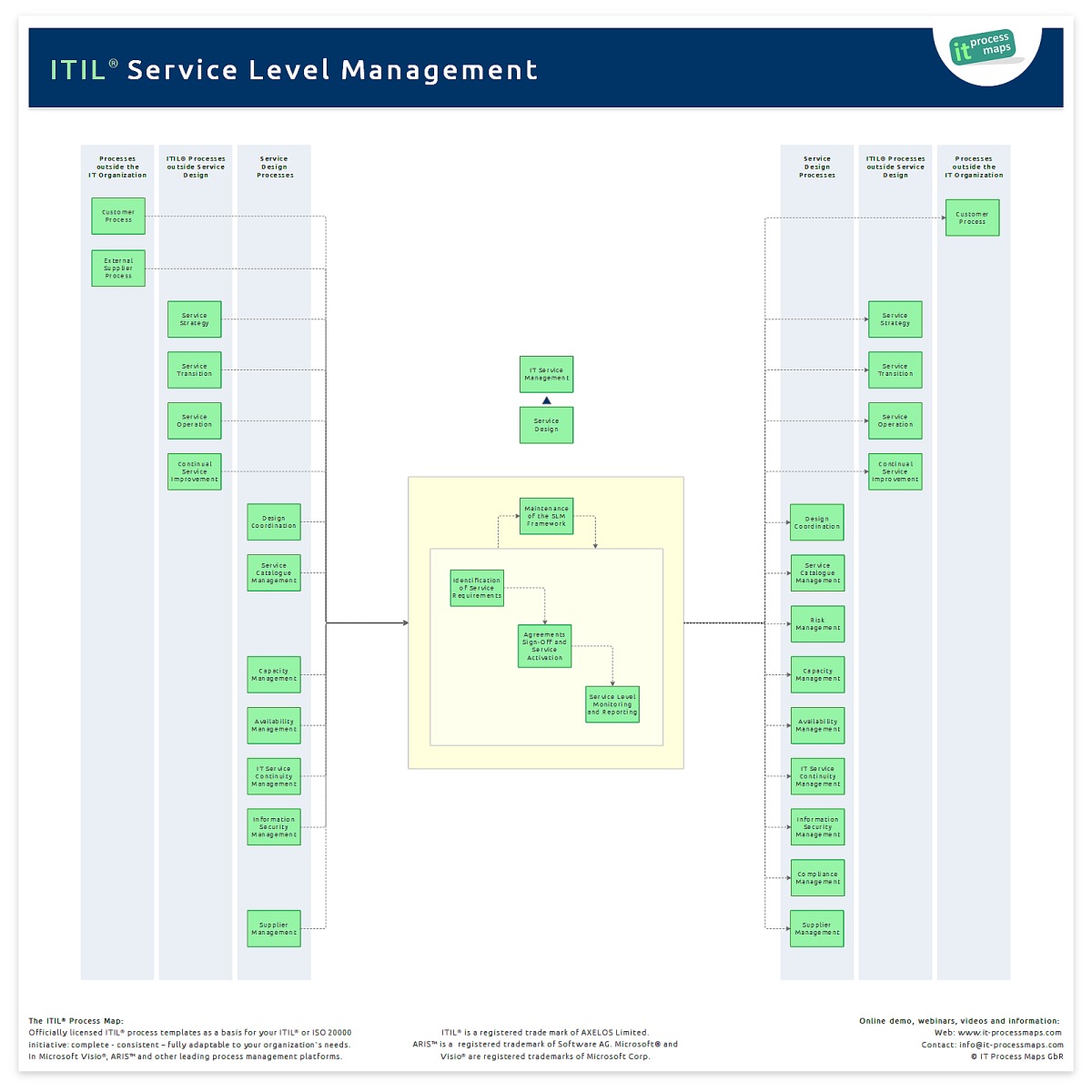
Hiç yorum yok:
Yorum Gönder